PERSONAL BRANDING WEEKLY
Editor’s Note: This week there’s some great advice on modifying a position before you leave it; how to ruin your brand as a sales professional; the power of “we” to your personal brand and even the power of a SNL skit to your personal brand.
Enjoy!
- 6 Fundamentals Helped Me Celebrate 6 years by Deborah Shane
- How Objective Statements Affect Your Personal Brand by Phil Rosenberg
- Shocking New Plague in Business: Mouth Sewage by Nance Rosen
- Looking to Improve Your Personal Brand? Ask These Questions by Heather Huhman
- Roadblocks are Gifts Getting You on the Right Road by Elinor Stutz
- How Crisis in the Workplace Creates Opportunity by Jason Kleinerman
- 5 Ways to Energize a Long Job Search by Glassdoor.com
- CBS’s The Job: The Job Interview on Steroids by Skip Freeman
- The Price of Choosing Generosity by Kayla Johnson
- The Fastest Way to Get Promoted by Jeff Shuey
- Your Brand and the Power of “We” by Peter Sterlacci
- Can an SNL Skit Make You Reexamine Your Life? by Erik Deckers
- Thinking About Changing Your Career? Consider Modifying Before Leaving by Beth Kuhel
- How to Ruin Your Brand as a Sales Professional by Michael Spinale
Welcome to our newest contributor – Jason Kleinerman! Jason is an entrepreneurial minded management expert specializing in multifamily residential real estate. Currently a Regional Manager for Universal Management, LLC, he has helped shape the direction of this residential firm over the past 6 years in a team setting while driving bottom line returns over many different assets through shrewd management and thorough planning.
Coming up this next week are guest posts from ChamberofCommerce.com; Kayla Johnson; and the Young Entrepreneur Council
VISIBILITY AND WORD OF MOUTH
Attaining visibility through your social networks isn’t always as simple as it might first seem. One of the most actively open social networks, Facebook, can also be one of the most difficult to expand your brand’s presence on. Of course, that doesn’t mean that you can’t gain visibility. It just means that you have to have the right strategy and the right approach.
Content creates visibility
There are a few essential ingredients to any social post. The first and most important thing to understand is that Facebook is not necessarily a popularity contest. More likes doesn’t mean you’re engaging the audience. Instead, it is good content that contains share-quality material which will gain you the most benefit.
This is primarily due to the fact that initial exposure is often limited to a small number of users, often depending on their recent activity in the social network. If someone has recently posted or “liked” your content or page, they’re more likely to receive access to some of your posts on their feed.
So instead of going for initial popularity, your target content should develop around discussion and sharing. Basically, you’ll need to create relevance to your audience and influence your potential customers.
The ultimate goal here is to stay engaged and develop brand loyalty. Where many marketing strategies go wrong is that they post and wait for the likes and comments to roll in. The truth is that you have to be proactive on through your posts and remain active long after they’ve gone live. In fact, some of the best practices utilize continuity, such as bringing up subjects from a previous conversation and using it to address more situations.
Posts should generally contain a catchy title, an applicable picture that’s easy to see and easy to read, along with a question to start a conversation. This last portion is your call to action which will hopefully induce sharing via word of mouth. Without this last component, the audience may scan through and pass up an opportunity to engage your content, and you’ll miss out on a chance to improve your visibility. The idea is to make the audience feel involved with your brand by calling them into the conversation.
Gaining an edge
If you’re good at what you do on Facebook, the Edgerank will rate you higher and improve your brand’s visibility. This system challenges brands to generate quality content instead of simply being able to flood streams with lots of content, so while you might think its troublesome to overcome, it’s actually up to you to create content that the audience is going to want to see.
Something to consider for visibility purposes is to introduce your audience to interest groups and notifications. Not all users know what these are or are even aware of how they can be used. Use it to inform and create content that many Facebook users will find useful, even if they aren’t familiar with your brand.
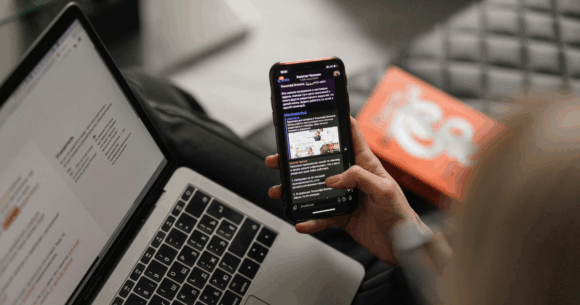
When it comes to visibility, the use of pictures, apps, and video content are much more influential and attractive on the newsfeed. Even infographs can swiftly deliver a message about your brand and still remain visually appealing to the entire audience.
Related Stories from Personal Branding Blog
Author:
Maria Elena Duron, is managing editor of the Personal Branding Blog, CEO (chief engagement officer) of buzz2bucks– a word of mouth marketing firm, and a professional speaker and trainer on developing social networks that work. She provides workshops, webinars, seminars and direct services that help create conversation, connection, credibility, community and commerce around your brand. Maria Duron is founder and moderator of #brandchat – a weekly Twitter chat focused on every aspect of branding that is recognized by Mashable as one the 15 Essential Twitter Chats for Social Media Marketers.