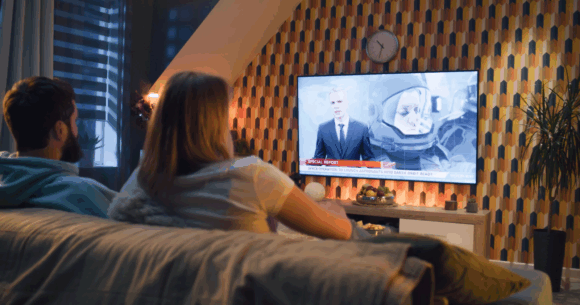
Visual
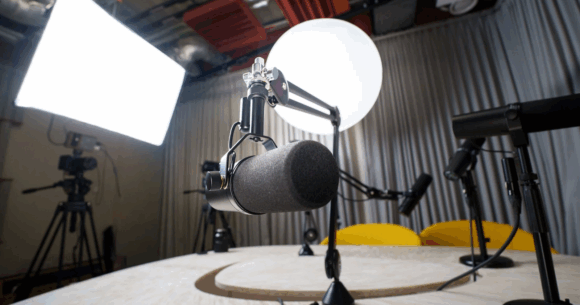
Auditory
Kinesthetic
How do you learn best?
Most people experience the world through their five senses – sight, sound, touch, taste, and smell. Some people have become more honed or attuned to using one sense over the others. And, depending upon the situation and what needs to be done with the stimuli (the information) they may switch their preferences.
For example, if you are studying for a test you may prefer a completely silent area with bright lights and sitting at a desk. Or, if you are writing a blog post you might prefer a more lively environment to get your juices flowing.
The five senses can be broken down into three specific modes of learning:
- Visual – What you see.
- Auditory – What you hear (or possibly don’t hear).
- Kinesthetic – What you physically touch.
Of course, in each of these you may use any of the senses to fully experience something. As you see something you might be hearing and touching something at the same time. However, for most people there is a preferred option for learning. For consuming, processing, remembering and acting on information (the stimuli).
Visual, Auditory or Kinesthetic
These are the three modes of learning. You may already have an idea of how you learn best.
Good news — there is a simple test to find out which of the three learning methods you prefer. Take the test here on Psychologia’s web site.
This is not a super scientific test and I’m sure there is some bias. Like most people you probably already know what your preferred learning is today.
My Results:
Visual: 50%
Auditory: 25%
Kinesthetic: 31.25%
Note: they don’t add up to 100% (there is overlap)
Why does this matter?
Knowing how you learn, process information and respond to stimuli can help you Stand Out in Your Career. Ultimately if we can put ourselves in the best situation to learn we will likely be able to do our best work.
Is it possible that your preferred learning style will change? Sure! Then it’s up to you to make that adjustment to one of the learning modes.
Take the test. It’s quick and easy. It will take no more than a minute of your time.
What can you do with the results?
You can have the peace of mind that you probably already knew how to you learned. You can also ask your colleagues and peers to take the test. Then as you collaborate on projects you’ll have a better feel for how to best utilize everyone’s skills. As you begin to recognize people’s learning preferences you will become a better peer, colleague and manager.
The goal is to continue learning throughout our careers and our lives. Why not make it as easy as possible by knowing which methods will help you learn best.