
You Can’t Tickle Yourself

The greatest impact you can have on branding yourself as altruistic is when you do things when no one expects them. In other words, you maximize the amount of joy you share when others do not know it is coming. For example:

• You strip all the romance out of buying flowers for a spouse or significant other if the only time you do it is when she has to ask you to do so.

• You completely undermine the genuineness of your compliments if the only time you give them is when someone asks you to do so.

• Your random acts of kindness become a whole lot less thoughtful if they are somehow orchestrated events.

Expected versus unexpected
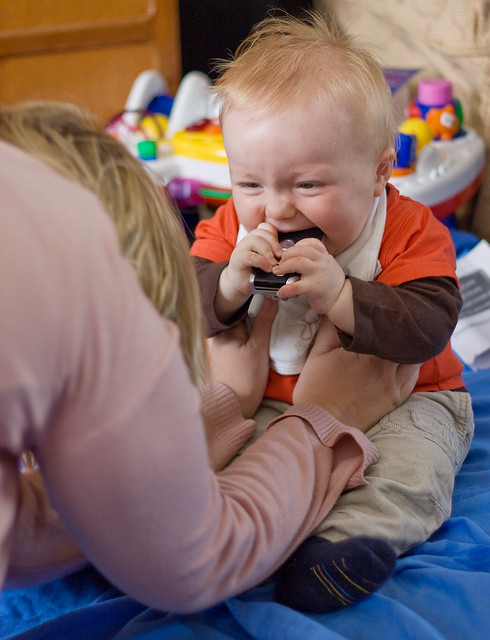
There is no doubt that your altruism is at its best when the generosity you convey is done so without anyone having to solicit it. Think of this in terms of being tickled.

Science has established that your touch can tickle someone else. Science has also established that individuals cannot tickle themselves.

The reason for the difference, scientists have concluded, is that the human brain distinguishes between “expected” and “unexpected” sensations. Thus, when individuals attempt to tickle themselves, these are expected sensations and the brain will not allow the tickling sensation to occur.

Go tickle someone

Just as individuals cannot tickle themselves, you cannot convey true altruistic joy on others if they know it is coming or if they need to solicit it. Your altruism is most effective when you sneak up on others to present it.

Spouses or significant others are romantically moved when they are showered with cards and gifts when they least expects them. Your compliments have a special meaning when you give them without any sort of solicitation. Likewise, the referrals you give and the business contacts you create for others become extraordinary acts of giving when you do them without any sort of prompting.

Therefore, to truly build into your brand the notion that you are a giving person, on occasion you need to get out there and go tickle someone – metaphorically speaking of course.

Author:

Frank Agin is the founder and president of AmSpirit Business Connections. In addition, Frank is the author of Foundational Networking: Building Know, Like and Trust To Create A Lifetime of Extraordinary Success and the co-author of LinkedWorking: Generating Success on the World’s Largest Professional Networking Website and The Champion: Finding the Most Valuable Person in Your Network.

Picture of Frank Agin

Frank Agin

Frank Agin is the founder and president of AmSpirit Business Connections, an organization that empowers entrepreneurs, sales representatives and professionals to become more successful through professional networking and developing stronger business relationships. In addition, Frank is the author of Foundational Networking: Building Know, Like and Trust To Create A Lifetime of Extraordinary Success and the co-author of LinkedWorking: Generating Success on the World’s Largest Professional Networking Website and The Champion: Finding the Most Valuable Person in Your Network. He has also written dozens of articles and delivered hundreds of programs on achieving greater success through professional networking. All of his work and programs are an accumulation of his life experiences, observations and investigation as it relates to professional networking and business relationships. He is a graduate of Beloit College (Beloit, Wisconsin) and has a law degree and MBA from the Ohio State University. He lives near Columbus, Ohio with his wife and three children. To learn more about Frank Agin, go to www.frankagin.com. To contact him, you can e-mail him at frankagin@amspirit.com or connect with him through the following social media applications. LinkedIn: linkedin.com/in/frankagin Facebook: facebook.com/frankagin Twitter: @frankagin

TRENDING AROUND THE WEB

A Pew Research survey found 64% of American adults still choose print over e-books — and the reason has less to do with nostalgia than attention span

A Pew Research survey found 64% of American adults still choose print over e-books — and the reason has less to do with nostalgia than attention span

Global English Editing

For a while we assumed the slow cooling of a long marriage was just the price of time — until researchers found that couples who spent about seven minutes, three times a year, describing their worst fight the way a neutral outsider might see it simply stopped sliding apart

For a while we assumed the slow cooling of a long marriage was just the price of time — until researchers found that couples who spent about seven minutes, three times a year, describing their worst fight the way a neutral outsider might see it simply stopped sliding apart

The Vessel

When researchers had people confide something painful to a friend sitting right beside them, the ones whose blood pressure climbed the highest weren’t leaning on someone difficult — they were turning to a friend they genuinely love and still, just slightly, hold their breath around

When researchers had people confide something painful to a friend sitting right beside them, the ones whose blood pressure climbed the highest weren’t leaning on someone difficult — they were turning to a friend they genuinely love and still, just slightly, hold their breath around

The Vessel

The writers whose work reads as unmistakably human aren’t the ones avoiding AI on principle — they’re the ones who never stopped writing like themselves in the first place

The writers whose work reads as unmistakably human aren’t the ones avoiding AI on principle — they’re the ones who never stopped writing like themselves in the first place

Global English Editing

Some of the loneliest people you’ll meet are the ones everyone describes as easygoing, agreeable, and low-maintenance, they learned long ago that having needs was the fastest way to be left out

Some of the loneliest people you’ll meet are the ones everyone describes as easygoing, agreeable, and low-maintenance, they learned long ago that having needs was the fastest way to be left out

Global English Editing

People who go quiet in group conversations aren’t always shy or withdrawn, many simply stopped expecting anyone to follow up on what they said

People who go quiet in group conversations aren’t always shy or withdrawn, many simply stopped expecting anyone to follow up on what they said

Global English Editing





