Writer Randy Ross recently wondered on his blog whether social media was turning out to be a waste of time for promoting his writing. He wrote in a blog post that Twitter, Facebook, and LinkedIn “seem to be over-saturated with users generating useless crap.”
Randy has seen both his web traffic and Facebook Reach drop by 50%; Twitter is still fairly new to him, but all he’s seeing so far is spam, crap, and inane comments; and, LinkedIn has just created a nuclear arms race as everyone scrambles to get more of these new “Endorsements.”
My response to him was the same I give to all other writers who are struggling with social media.
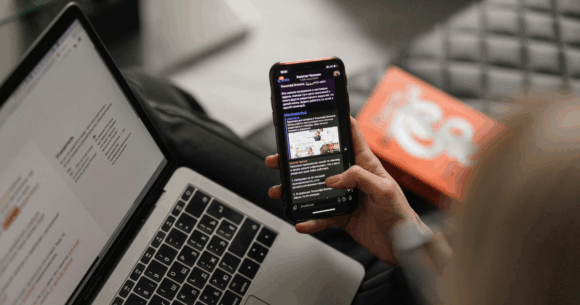
Social media is not a waste of time, because this is where everyone is spending most of their time and energy gathering new information and sharing their work. But it is becoming harder to stand out, especially if you don’t put in the effort. With more and more “meh” content and dreck, people are narrowing down how much they read. That makes it harder for the really good writers to stand out. (They’re having the same problems with self-publishing versus traditional publishing.)
Remember, rule #1 of social media is to write good shit. (Or as the hoity-toity, jargony people like to say, create interesting content.)
Write stuff that’s not only interesting, persuasive, and even educational, but make sure it’s well-written and coherent. You can have great ideas, but if you don’t express them well, people won’t care. And if you write beautifully about half-baked ideas, no one is going to care either.
Don’t forget rule #2 either. Share others’ content. Not only that, share it more than you share your own. Retweet other people’s interesting tweets. Tweet their own articles to your network. Like and share their cool status updates on Facebook. Then, if there’s time, you can talk about your own stuff. In Branding Yourself, we said the ratio should be 90% someone else’s stuff, 10% yours.
That shows people you’re interested in them, care about them, and want them to do well. Ultimately, that makes them want to be your advocates as well. They’ll tweet your blog posts, like and share your Facebook updates, and retweet your cool tweets.
Now, here’s the big secret to winning at personal branding:
You have to outlast the people that put out mediocre crap.
That’s it. You don’t have to do it better; although just by putting in a conscious effort, you will. You don’t have to resort to trickery; the spammers will burn themselves out with trickery that yields nothing. You don’t have to double your energy or time spent on social media; just put in 30 – 60 minutes per day, spread throughout the day.
As you do social media more and more, you will finally reach that tipping point where people are paying attention to your stuff, they are sharing it with everyone, and they are visiting your website on a regular basis.
It’s just a matter of being tenacious. Put the same energy into being a social media rockstar that you have into being a literary rockstar. If you write good shit, and promote everyone else’s stuff on a consistent basis, you will begin to see success. And success begets success. The more you do it, the more you’ll have.
Related Stories from Personal Branding Blog
Author:
Erik Deckers is the owner of Professional Blog Service, and the co-author of Branding Yourself: How to Use Social Media to Invent or Reinvent Yourself. His new book, No Bullshit Social Media: The All-Business, No-Hype Guide to Social Media Marketing. His wife is a jazz singer and is building her own audience. (This is an affiliate link, so we may earn a commission if you buy. It costs you nothing extra.)