If you want to get a sense of what it takes to be a winner, I’d encourage you to get your hands on the documentary film, The Audition. It’s breathtaking and heartfelt as it documents the 2007 Metropolitan Opera National Council Auditions. Each year thousands of hopefuls compete for a cash prize, the chance to sing on the storied Met stage—and the opportunity to launch a major operatic career.
Directed by award-winning filmmaker Susan Froemke, this suspenseful narrative provides a revealing look at what it takes to make it as an opera star, and the intense challenges and pressures young opera singers face as the stakes get higher. FYI The documentary crew was given unprecedented access to the singers, judges, and events backstage at the Met.
Are you a winner?
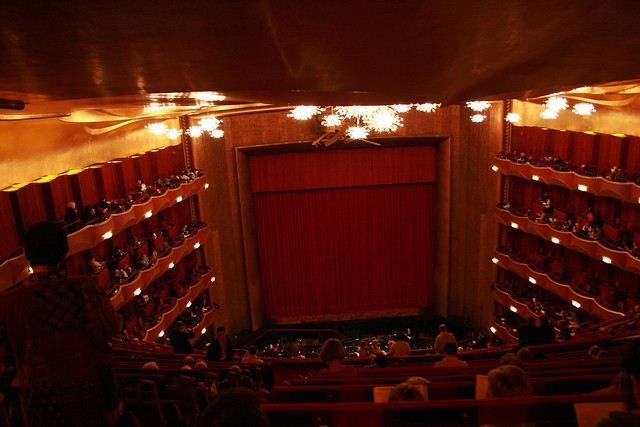
A week ago, on Sunday March 13, the Met Opera National Council Auditions took place. I was sitting in the audience this year at Lincoln Center, and it’s all because I fell in love with the story. Five winners walked away with a future secured on the Met stage.
Here’s my thoughts on what was so intriguing about that day – and so powerful about that film – because it feels as though there’s a metaphor lurking around here. It’s all about how to make your personal brand a winner, of course.
- In pursuit of excellence: You could see their desire for excellence bursting right up there on the Met stage. These young opera singers were standing in their brilliance, giving their best because they knew what they wanted, where they wanted to go, and why it mattered. So if you want to soar above the rest of the competition, you have to be in pursuit of excellence every moment. You have to define what it is that has value, and then what you are willing to do about it. After all, this kind of winning takes thousands of hours of preparation, training – and blood, sweat and tears. There’s no way around it.
- Discipline: It must take millions of small steps to get to that Met stage. Absolutely nothing gets in the way. Like professional athletes, these singers have to adopt a different kind of mindset. They have to look at their world through a different kind of lens. So if you want to catapult ahead of the pack, you have to rethink all things. Your mindset has to be set and focused on one goal. Total control here. No negotiations. It’s that simple. Using discipline to accomplish one’s important goals is essential.
- Performance: Imagine the moment of walking out on that stage. Vocal chords in top form. Their choice of song, posture, attitude – are all indicators as to whether they’re going to be a winner, or not. Guess what? They all have coaches watching their back all the way. So if you’ve determined to be a winner brand, find someone who can help you evaluate your performance. Whip you into shape, if you need it. You’ll need to trust them. And they’ll need to understand your goals so they can encourage you to improve.
An overnight success
FYI We happen to live in a culture where failure is an acceptable part of the learning process. You just need to be prepared to take the risks. (Of course, knowing what you want takes lots of practice. Assume it’s likely you’ll have some failure along the way.)
OK. I encourage you to watch The Audition. The film is so instructive. These young opera singers are exceptionally gifted people but they also have staying power. Watch them do what they do. Because they stay the course, and understand what it takes to do the job. The idea that talent is innate is utterly overrated. Nothing happens as if by magic.
Author:
Mary van de Wiel is best known for her global expertise when it comes to coaxing out the real power in brands to dramatically increase sales. Van is founder and Creative Director of ZingYourBrand.com. She is the author of soon-to-be-published Dead Brand Walking: A Brand Therapist’s Viewpoint. Follow her on Twitter