My grandpa just died. Well, one of them. And I am in a state of total shock.
But it is Sunday night, and a lot of people are still counting on me. Which is why I’m writing this post.
I get that I can get out of everything if I just tell people I have a family emergency. I do, and my emergency is real. My grandpa was only in his early 60’s, and nobody has any clue why he died. He just collapsed. My grandma is completely lost, and my parents are some of the few family members she still has in town.
Worse, the news came just hours after my dad left on a three week business trip to Korea. As I type, he is probably just receiving the news, finally. And he is the one who could be the most helpful dealing with this situation.
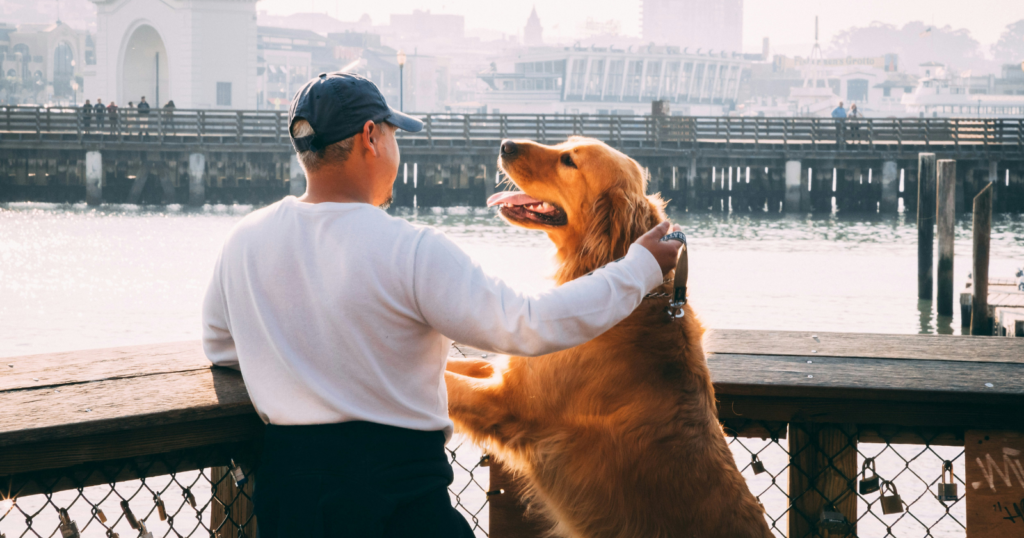
There is maybe nothing I can do, yet when I found out what happened I felt an inextricable pull to St. Louis (my hometown). So, I grabbed my dog and a suitcase full of clothes and got in the car; all the while thanking God that I work from home and my office is basically my computer and my phone.
It is Sunday night, and I have an inbox full of unanswered emails, including one reminding me to write this post. Oops. [Editor’s note: Oh, Monica, I wish we had known we definitely would be supportive of you! Yes, your brand attribute of resilience is shining through. Our thoughts are with you!]
I’m still writing it though, and that gives me comfort. Because I think an important part of personal branding is resilience. So, here are my tips on showing resilience through a crisis:
Compartmentalize and carry on
This sounds harsh, but try to put your crisis in a box. Then put the lid on it. I feel like crying now, but I can cry later too; I have the strength to wait a few hours for darkness and a pillow to bury my face in.
And generally, if you can schedule a later time to freak out, that’s good enough to free up part of your mind to focus on an important task. And then you need to use the free part of your mind to tackle your to-do list.
Do everything on your to-do list quicker
I don’t think people should shut down and let their to-do list build up, especially during an emergency. It just makes the whole ordeal worse, knowing you have to deal with your crisis and then when that’s over, deal with a ridiculous amount of stuff that is behind schedule. But, nobody can expect the same level of quality when you have something important nagging at the edges of your mind every time you try to focus.
There is only way to do the same amount of things in a smaller time frame – cut corners. Like this blog post. About my crisis. Written in ten minutes.
Delegate things that you can’t or won’t do
Of course you should still do most of your to-do list – but realistically, some things are just unimportant. Like the laundry. Wash a load and do the rest next week, really.
There are also some things that are really important, and you have to get them done right. This means #2 won’t work for those tasks, because you can’t cut corners or it will look like a crappy job. So find someone who has the time to do the job correctly.
What else do you do to make it through daily tasks in the midst of a crisis? Do you think showing resilience in a crisis enhances your brand? Or do you think people will understand if you disappear as long as it’s really an emergency?