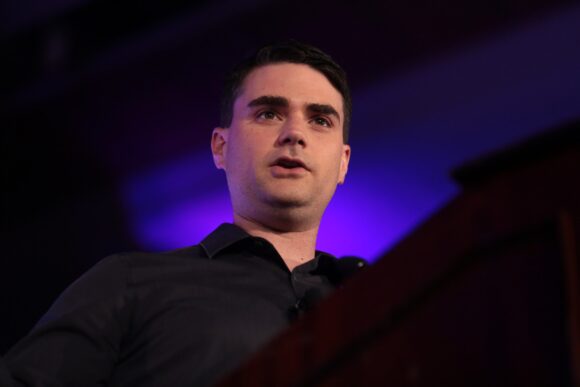
This is Matthew Paul Miller.
Recognize him?
If you like pop music, you should know his work.
His resume achievements include:
- Selling over 3 million records
- Being named as Top Reggae Artist by Billboard
- Albums appearing on 15 different Billboard charts including 4 albums in the Billboard Top 200
- One album debuted at #4, while being #1 in Reggae and Digital Downloads, and eventually went gold
- Song collaboration with Akon, P.O.D. and others
Does any of that ring a bell? No?
Let me give you some background on him, that might help.
According to Wikipedia, he “was born in West Chester, Pennsylvania. His family eventually settled in White Plains in Westchester County, New York.”
He released his first album in 2004, but his breakthrough came with his first live album, released in 2005, that went to #1 on Billboard’s Reggae chart and started a string of successes.
Still don’t recognize him?
I’m not surprised.
Even with the picture and the statistics and the background, I wouldn’t recognize him either, and I’ve known about his amazing talent for a few years now.
Here’s a better picture of him:

That’s right – Matthew Paul Miller is otherwise known as Matisyahu, the Chassidic reggae star.
Or at least, he was, until December 13, 2011 when he abruptly tweeted the top photo of his fully-shaven self and announced “No more Chassidic reggae superstar. Sorry folks, all you get is me…no alias” which seems to mean that he will no longer use the Matisyahu (Hebrew for “Matthew”) alias which is plastered on everything related to him.
From a personal branding point of view, why is this transformation a horrible idea?
1) Visibility
Comparing both pictures, which guy would be memorable in a crowd of reggae musicians? The second one.
Not only that, but the first one makes him so boringly normal, he wouldn’t stand out anywhere.
2) Recognition
As a music star for the better part of a decade, Matisyahu’s face and likeness appear in the press, billboards, on TV, in movies and of course, all over the Internet. Who wouldn’t recognize the only Chassidic guy who does reggae so well? But no one knows Miller, and his face and likeness are only now getting publicized because of the famous guy who publicized them.
3) Identity
Many people identify with Matisyahu for many reasons, whether because he’s a very religious Jew succeeding in a secular, not-particularly-Jewish industry, or because he’s a visible minority, or because he’s done things that others thought were taboo, or simply because he’s incredibly talented and sings an uplifting message.
By throwing off Matisyahu and coming back to Matthew Miller, most of that identity goes out the window, frustrating a large number of fans and more than tarnishing his personal brand with it.
Matthew Miller underwent a big transformation in becoming Matisyahu, and is putting himself through another that seems just as big.
For the sake of his personal brand, let’s hope that it isn’t.
Author:
Jacob Share, a job search expert, is the creator of JobMob, one of the biggest blogs in the world about finding jobs. Follow him on Twitter for job search tips and humor.