Interview with the PC: What’s Next?

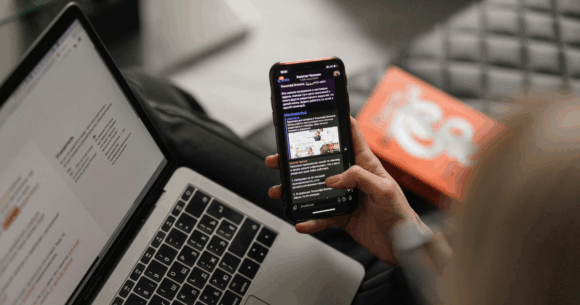
And you thought a phone interview is challenging. How about the next phase, which will involve using Webcam technology? Many major employers have become more sophisticated in the use of such technology and are using the services of companies like Interview Stream for Webcam interviewing. The Webcam is an additional selection tool a company can use before it’s willing to commit further time and money.

Here’s how it works: A candidate receives an e-mail invitation to click on a link that takes the candidate through the process. Some job seekers, though, are using older computers that can’t be quickly upgraded, and to work with a Webcam would generate an additional expense. What are they to do?

Preparing for an interview is challenging enough by itself. Nowadays, there are several additional layers of difficulties that have been added on. In terms of a Webcam interview, first there’s the technical part. This involves setting up the Webcam, adjusting microphone settings, arranging for proper lighting and a background the lens captures, deciding on the angle that’s most flattering for you, and doing many other things an amateur videographer can’t even begin to imagine. Second, the candidate has to quickly learn how to become videogenic, since a big part of the hiring decision is based on a candidate’s image. In order to look good on video, the candidate has to look constantly at the video lens. This by itself is a monumental test of one’s ability to do so, since very few people are trained to appear on video camera.

The next step happens when the program shows the candidate a countdown—3, 2, 1—and then the words NOW RECORDING appear, as does a countdown for two minutes. The candidate gets five questions to answer. After recording the answers, the candidate gets one more chance—to redo the two minutes if not satisfied with the first go-round.

The last step is to click Submit, and then the praying can start. Hopefully, you’ll hear back from the company. I’m wondering whether there’s an Academy Award for those who’ve mastered this 21st-century innovation whose use is limited to just being screened for employment.


Picture of Alex Freund

Alex Freund

Alex Freund is a career and interviewing coach known as the “landing expert” for publishing his 80 page list of job-search networking groups. He is prominent in a number of job-search networking groups; makes frequent public presentations, he does workshops on resumes and LinkedIn, teaches a career development seminar and publishes his blog focused on job seekers. Alex worked at Fortune 100 companies headquarters managing many and large departments. He has extensive experience at interviewing people for jobs and is considered an expert in preparing people for interviews. Alex  is a Cornell University grad, lived on three continents and speaks five languages.

TRENDING AROUND THE WEB

Someone who skips the seasonal décor every year may not be indifferent to the holiday itself, they may simply be opting out of a display aimed more at whoever walks past than at anyone who actually lives there.

Someone who skips the seasonal décor every year may not be indifferent to the holiday itself, they may simply be opting out of a display aimed more at whoever walks past than at anyone who actually lives there.

Global English Editing

The Authenticity Costume: What Remains When You Stop Performing the Self That Refuses to Perform

The Authenticity Costume: What Remains When You Stop Performing the Self That Refuses to Perform

The Vessel

beehiiv’s 2026 benchmark data shows a median newsletter converts well under one percent of free subscribers into paying ones, while Substack still discloses no comparable conversion figures of its own, a transparency gap that creators researching where to launch a new paid newsletter are only now starting to take seriously

beehiiv’s 2026 benchmark data shows a median newsletter converts well under one percent of free subscribers into paying ones, while Substack still discloses no comparable conversion figures of its own, a transparency gap that creators researching where to launch a new paid newsletter are only now starting to take seriously

The Blog Herald

The Vigil: What the Night Wants to Teach You When Sleep Refuses to Come

The Vigil: What the Night Wants to Teach You When Sleep Refuses to Come

The Vessel

Greif and Gleason’s 1980 research on how children learn politeness routines found that young children almost never say “please” or “thank you” spontaneously, they say it because a parent prompts them with “what do you say?” dozens of times a week, meaning the reflex adults later display without thinking twice was built through years of someone else’s prompting long before it became automatic.

Greif and Gleason’s 1980 research on how children learn politeness routines found that young children almost never say “please” or “thank you” spontaneously, they say it because a parent prompts them with “what do you say?” dozens of times a week, meaning the reflex adults later display without thinking twice was built through years of someone else’s prompting long before it became automatic.

Global English Editing

Still Performing for Ghosts: On the Masks We Keep Wearing for Tribes That No Longer Exist

Still Performing for Ghosts: On the Masks We Keep Wearing for Tribes That No Longer Exist

The Vessel