Does Your Personal Brand Resemble a Celebrity?

During college, a lot of people thought my personal brand resembled that of Mario Lopez. As we all know, Mario Lopez was on the hit TV series “Saved by the Bell” as A.C. Slater. Lopez is currently hosting the MTV reality show America’s Best Dance Crew. This visual association typically came from girls or others that I met for the first time. Some were afraid to tell me that I looked like Mario, while others were upfront and honest about it. I even ran into a situation where a Cop called me A.C. Slater, which blew my mind.

Our society reveres Hollywood celebrities to a point where people wish they were them. Some take being compared to a celebrity as a compliment, while people who are reading this blog want to stand out and shine. Brand YOU is about being unique and a celebrity to a specific group of people.
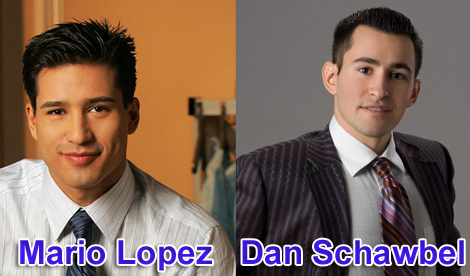
Celebrity Look a Likes

Here are some questions to ask yourself:

  • Was there a time in my life where someone said “you look like _____”?
  • What about me resembles that celebrity?
  • How might Brand ME be different, in terms of facial sculpture, hair/eye color, skin tone and smile?
  • Does the celebrity display a positive brand image? If so, do I carry that image along with the brand I’m being compared to?
  • Aside from my face, what else about my physical appearance gives others the sense that I resemble a celebrity? Is it how I dress or my personality?
  • Who is the celebrities audience and how is that different than mine?
  • Do I want to use this resemblance to my advantage? Do I have a choice?

Brand YOU is singular

Although the object of personal branding is to populate your world with a strong network, “Brand YOU” is singular. To be a successful brand, no one else can be you. This is how you differentiate your personal brand. You want others to want to resemble you or at least learn from you. To be a brand in 2008 means to separate yourself based on your unique identity, consisting of a picture, name, expertise, and personality.


Picture of Dan Schawbel

Dan Schawbel

Dan Schawbel is the Managing Partner of Millennial Branding, a Gen Y research and consulting firm. He is the New York Times and Wall Street Journal bestselling author of Promote Yourself: The New Rules For Career Success (St. Martin’s Press) and the #1 international bestselling book, Me 2.0: 4 Steps to Building Your Future (Kaplan Publishing), which combined have been translated into 15 languages.

TRENDING AROUND THE WEB

TikTok’s Creator Rewards Program and YouTube’s new watch-hour wall are solving the same problem for two different platforms: too many creators, too little payout to go around

TikTok’s Creator Rewards Program and YouTube’s new watch-hour wall are solving the same problem for two different platforms: too many creators, too little payout to go around

The Blog Herald

More than 50 newsletters on Substack are now earning over a million dollars a year, according to the platform’s own co-founder — a milestone that didn’t exist five years ago.

More than 50 newsletters on Substack are now earning over a million dollars a year, according to the platform’s own co-founder — a milestone that didn’t exist five years ago.

The Blog Herald

People who can tell the difference between feeling disappointed, resentful, and humiliated instead of just calling it all bad recover from stressful days faster and are less likely to drink to cope

People who can tell the difference between feeling disappointed, resentful, and humiliated instead of just calling it all bad recover from stressful days faster and are less likely to drink to cope

Global English Editing

The Cast in Your Chest: On the Fraud, the Hero, the Victim, the Rebel—and What You’ve Been Calling Personality

The Cast in Your Chest: On the Fraud, the Hero, the Victim, the Rebel—and What You’ve Been Calling Personality

The Vessel

“At least it’s not worse” is meant as comfort, but psychologists who study what’s become known as toxic positivity have found that skipping straight to the silver lining, before someone’s felt heard, tends to make them talk less about what’s actually bothering them, not more.

“At least it’s not worse” is meant as comfort, but psychologists who study what’s become known as toxic positivity have found that skipping straight to the silver lining, before someone’s felt heard, tends to make them talk less about what’s actually bothering them, not more.

Global English Editing

Is blogging still profitable? The bloggers who reach a full-time income wait an average of four years to get there, and the wait is getting longer, not shorter

Is blogging still profitable? The bloggers who reach a full-time income wait an average of four years to get there, and the wait is getting longer, not shorter

The Blog Herald